UFC Weight Cuts and Futures Betting: How Weigh-In Data Moves Championship Lines
 Available in US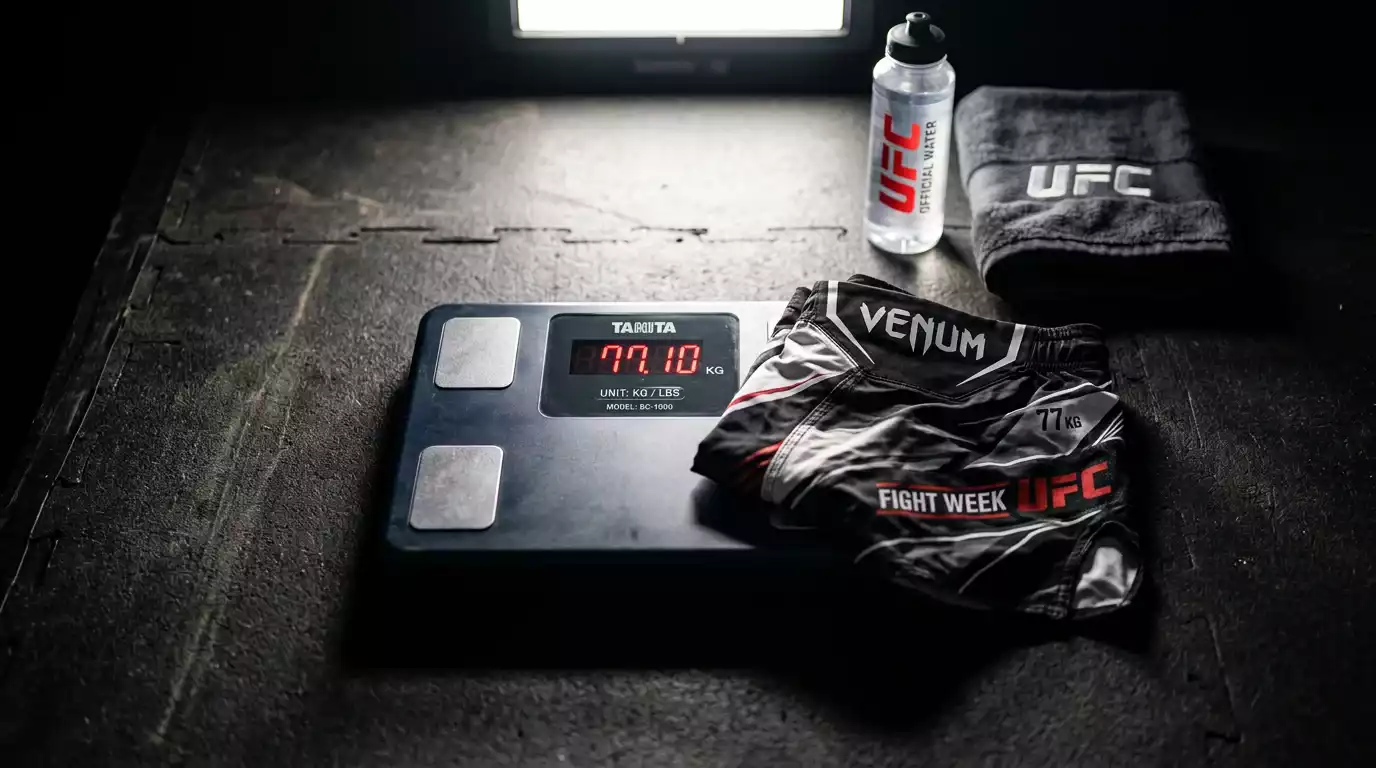
I watched a championship contender step on the scale at an official weigh-in looking like a different person from the fighter I had studied on tape. Sunken eyes, visible dehydration, shaking legs. He made weight by half a pound, won the fight the next night, but was hospitalised afterward. That image stuck with me because it crystallised something I had been tracking in my data for years: weight cuts are not just a health issue. They are a performance variable, a scheduling variable, and a futures market variable — and most bettors ignore all three.
How Weight Cuts Affect Fighter Performance and Title Eligibility
Every UFC fighter who competes below their natural body weight goes through some form of weight cut. The process involves dehydrating the body to shed water weight in the final days before weigh-ins, then rehydrating before the fight. The severity of the cut varies enormously — a lightweight who walks around at 175 pounds is cutting 20 pounds to make 155, while a heavyweight who naturally weighs 245 might cut nothing at all.
Severe weight cuts affect performance in measurable ways. Fighters who cut aggressively show reduced chin durability (the ability to absorb strikes without being knocked out), decreased cardio output in later rounds, and slower reaction times. These effects are particularly relevant in five-round championship fights, where the accumulated physical toll of a harsh cut compounds over 25 minutes. The UFC crowned 12 new champions in 2025, and several of those title changes involved fighters whose weight-cut history was a known factor in pre-fight analysis.
Title eligibility is the binary concern. If a fighter misses the championship weight limit, they cannot win the belt even if they win the fight. A challenger who misses weight for a title fight has effectively wasted a championship opportunity that may have taken years to earn. For the champion, missing weight results in being stripped of the title, turning the bout into a vacant title fight where only the on-weight opponent can claim the belt. In either scenario, the futures market for that division is disrupted: title changes that were expected to happen do not, and the contender queue is reshuffled.
For futures bettors, weight-cut history is a material factor in assessing whether a contender’s path to the championship is reliable. A fighter who has missed weight in the past, or who is known to have a difficult cut, carries an elevated risk of disrupting their own championship opportunity. That risk should be priced into your futures assessment by adjusting downward the probability of a clean title-fight outcome.
Missed Weight Scenarios and Their Impact on Futures Markets
A missed weight on a championship fight card creates a cascade of consequences that ripple through the futures market for weeks.
When the challenger misses weight, the fight typically proceeds as a non-title bout. The champion can win or lose, but the belt can only change hands if the champion loses. If the challenger wins, they do not get the title, and the division enters a holding pattern while the UFC decides whether to rebook the title fight or move on to the next contender. This scenario extends settlement timelines for anyone holding futures positions in that division, because the expected title fight has produced a non-result from a championship perspective.
When the champion misses weight, the situation is more dramatic. The champion is typically stripped, and the fight becomes a vacant title bout with only the challenger eligible to win. If the challenger wins, they are the new champion — a clean settlement for anyone who backed them. If the stripped champion wins, the belt remains vacant, and the UFC books another fight to determine the new titleholder. This scenario can create unexpected futures value: the stripped champion is now a contender without a belt, and their futures odds reset to reflect the new reality.
The UFC maintains 43 live events per year, and the scheduling pressure to fill title-fight slots means that missed-weight disruptions are resolved relatively quickly. The promotion does not want a division without a champion for an extended period, because it reduces the commercial value of the weight class. Futures bettors can generally expect a resolution within two to three event cards — six to twelve weeks — after a missed-weight scenario.
Using Weigh-In Data to Inform Futures Positions
Weigh-in results are public information, and they are one of the most underused data points in UFC futures analysis. After years of tracking them, I have identified several patterns that inform my betting decisions.
Fighters who consistently weigh in at or very close to the limit (within 0.5 pounds) are making difficult cuts. Those fighters are at higher risk of missing weight in the future, particularly as they age and their bodies become less tolerant of the dehydration process. When I see a contender weighing in at exactly 155.0 pounds for a lightweight fight, I note that they are operating at the margin. If that same fighter is in my futures evaluation for a championship bet, I adjust downward for the weight-cut risk.
Fighters who weigh in well under the limit (one to two pounds below) are cutting comfortably. These fighters have more margin for error and are less likely to miss weight, which means their path to a title fight is more reliable from a logistics standpoint. A contender who consistently weighs in at 153-154 for lightweight fights is demonstrating that the weight class is sustainable, which reduces one source of futures risk.
Division changes are the most significant signal from a futures perspective. When a fighter who has been cutting aggressively at one weight moves up to a higher division, it resets the futures landscape in both weight classes. The division they leave loses a contender (reducing futures market depth), and the division they enter gains one (potentially at odds that do not yet reflect their true ability because they are unranked in the new class). Some of the best futures value I have found has come from backing fighters who move up to a more natural weight class, because the market often prices them as if they are starting from scratch when in reality they are bringing championship-calibre skills with reduced physical compromise. For a deeper look at how these divisional shifts affect the championship picture across all twelve weight classes, the divisional futures analysis maps the landscape in detail.
What happens to a futures bet if a fighter misses weight for a title fight?
If your futures pick misses weight for a championship bout, they cannot win the title in that fight even if they win the bout. Your futures bet remains open but the expected settlement opportunity is lost. The fighter will need to make weight in a subsequent fight to earn another title shot, which extends your settlement timeline. If the fighter has a pattern of missing weight, some bookmakers may adjust the market or suspend it. The bet is not voided solely because of a missed weight — it stays live until the championship question is definitively resolved.
Can weight-cut history predict whether a fighter will move divisions?
Weight-cut history is one of the strongest indicators of a potential division move. Fighters who consistently struggle to make weight, who have missed weight previously, or who show visible signs of difficult cuts at weigh-ins are more likely to move up to a higher division. Age amplifies this trend, as the body’s tolerance for severe dehydration decreases over time. Tracking weigh-in data across a fighter’s last four to five bouts gives a reliable signal about whether a division change is plausible, which is valuable information for futures bettors assessing both the fighter’s current division and their potential new one.
Prepared by the ufc Futures Bets editorial staff.