UFC Sponsorship Deals and the Betting Market: How Commercial Partnerships Shape Futures
 Available in US
Sponsorship money is invisible to most bettors. You see the logos on the canvas, hear the brand mentions in broadcasts, and scroll past the partnership announcements. But when UFC sponsorship revenue grew by $62.9 million in a single year to reach $314.3 million in 2025, that growth was not cosmetic — it was structural. Sponsorship money funds the infrastructure that makes UFC betting markets work: the broadcasts that drive viewership, the data partnerships that enable odds-making, and the sportsbook integrations that put championship odds on your screen during a live fight. Understanding the sponsorship pipeline is understanding where your futures market comes from.
The UFC Sponsorship Landscape in 2026
The centrepiece of the current sponsorship ecosystem is the bet365 partnership, which replaced DraftKings as the UFC’s official sportsbook partner in 2026 after a five-year deal that was worth $350 million to DraftKings. Nicholas Smith, SVP of Global Partnerships at TKO, described bet365 as bringing “scale, credibility, and innovation to the sports betting space.” That is polished corporate language, but the scale part is directly relevant — bet365’s massive UK customer base means the UFC’s betting integration now reaches more UK punters than at any point in the sport’s history.
Beyond the sportsbook deal, the UFC’s sponsorship portfolio spans apparel (Venum), supplements, automotive, and technology partners. The cumulative effect of $314.3 million in sponsorship revenue is a promotion that can invest heavily in production quality, event frequency, and global distribution. Each of those investments feeds into the betting ecosystem indirectly: higher production quality attracts more viewers, more viewers become bettors, and more bettors create deeper and more liquid futures markets.
The sportsbook partnership stands apart from other sponsorships because it includes data-sharing and integration rights that directly affect the betting product. bet365 receives performance data, scheduling information, and branding placement that other operators cannot match. This creates an asymmetry in the market — the official partner has access that enables them to open markets faster, price odds more precisely, and offer betting experiences (like in-broadcast odds) that non-partner bookmakers cannot replicate.
How Sponsorship-Driven Exposure Affects Betting Volume
Smith also described the partnership as enhancing “the viewing experience by providing fans with deeper insights, dynamic odds, and more ways to engage responsibly with every bout.” The “engage responsibly” qualifier is there for regulatory compliance, but the “deeper insights” and “dynamic odds” elements describe a commercial strategy designed to convert viewers into bettors.
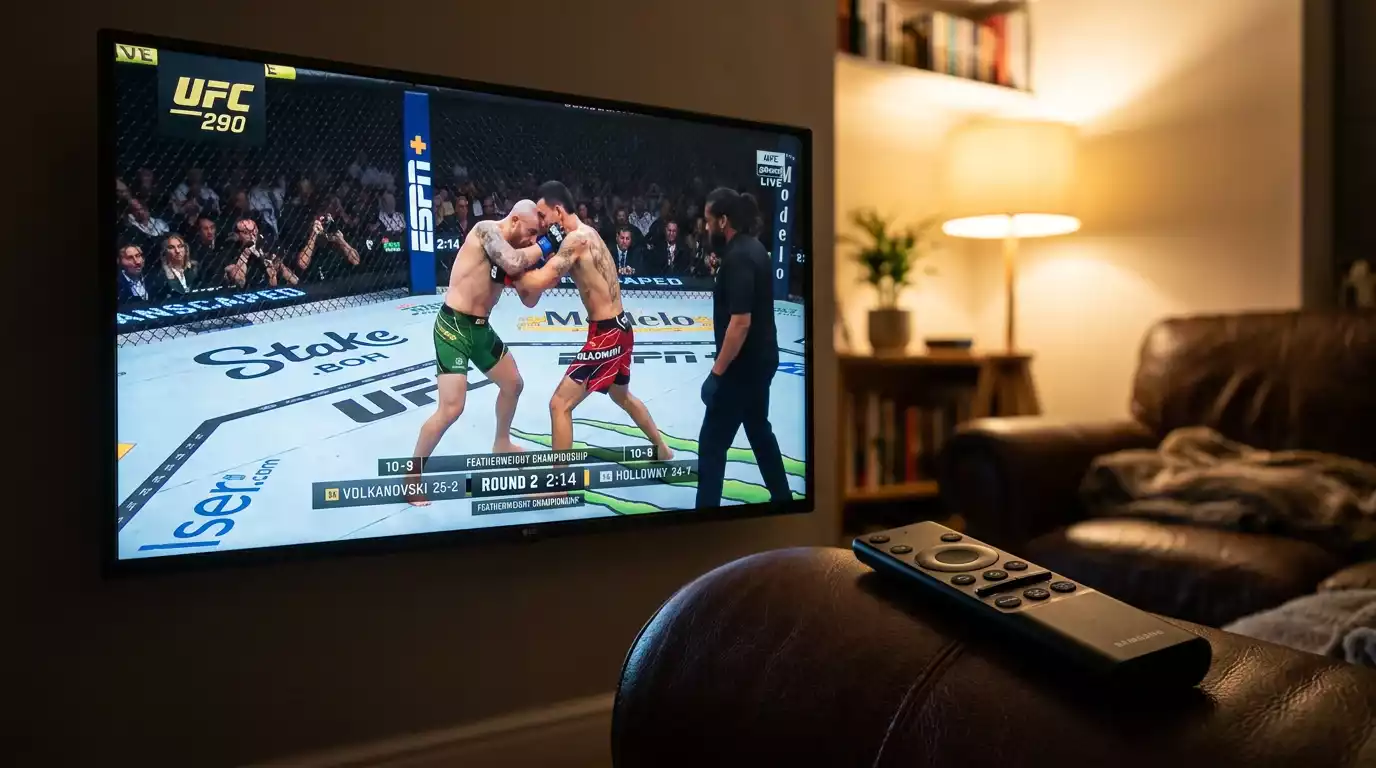
UFC media rights revenue reached $907.7 million in 2025, and sponsorship-funded broadcast integrations are part of how that media investment is monetised. When odds appear on screen during a live fight, they are not just information — they are a call to action. A viewer who sees a contender’s championship odds shorten from 4/1 to 5/2 during a dominant performance is being primed to engage with the futures market. The conversion funnel from viewer to bettor is shorter when the odds are visible, branded, and contextualised within the broadcast itself.
The volume effect is measurable in aggregate. UFC gross gaming revenue has grown at an estimated compound annual growth rate of over 18% in the past five years. While multiple factors drive that growth — event calendar expansion, streaming distribution, geographic legalisation — sponsorship-funded exposure is one of the primary accelerators. The bet365 partnership amplifies this effect for the UK market specifically, because the integration reaches the operator’s existing customer base of millions of UK accounts who may already bet on football but have not yet engaged with UFC markets.
The Indirect Path from Sponsor Deals to Futures Market Depth
The connection between a sponsorship deal and the depth of your UFC futures board is not obvious, but it is real, and I have watched it develop over years of tracking how market offerings expand in response to commercial investment.
Sponsorship revenue funds events. More events mean more fights. More fights mean more data points for bookmakers to price contenders. More accurate pricing attracts more sophisticated bettors. More sophisticated bettors create demand for deeper markets. Deeper markets mean more fighters priced, more divisions covered, and more futures opportunities for everyone. The cycle is self-reinforcing, and sponsorship money is the fuel that keeps it spinning.
The specific impact on futures market depth shows up in the number of fighters listed on a championship board. Three years ago, a typical UFC futures market on a UK bookmaker might list the champion and three to four contenders. Today, the same market often lists six to ten fighters, extending deeper into the rankings. That expansion is commercially driven — bookmakers want to capture betting volume from fans of lower-ranked fighters who would not have had a futures market to bet into previously. The sponsorship-funded exposure that grows the UFC’s audience also grows the demand for betting markets that serve that audience.
For futures bettors, deeper market depth is unambiguously positive. More fighters listed means more prices to compare, more potential mispricings to identify, and more flexibility in constructing a portfolio of futures positions across divisions. The bettors who benefit most from this expansion are those who specialise in identifying value in less-followed divisions and on fighters who are outside the top three or four contenders — exactly the positions that the expanded market depth now covers. For more on how these financial dynamics translate to the UFC’s bottom line and what it means for event scheduling, the UFC revenue and TKO financials analysis breaks down the numbers in detail.
Do UFC sponsor deals affect which fights get more betting attention?
Yes. Fights that receive more promotional push — through sponsor-funded broadcasts, social media campaigns, and in-arena branding — attract larger audiences, and larger audiences generate more betting volume. Title fights on major pay-per-view or streaming cards receive the most promotional support and consequently the highest betting volume. This concentration of attention means that futures markets for divisions with upcoming high-profile title fights tend to be more actively traded and more accurately priced than divisions where the championship picture is quieter.
How does media rights revenue growth translate to more futures markets?
Higher media rights revenue enables the UFC to produce more events and more broadcasts, which expands the audience and generates more betting demand. Bookmakers respond to increased demand by widening their market offerings — adding more fighters to futures boards, covering more divisions, and keeping markets open for longer periods. The $907.7 million in media rights revenue the UFC earned in 2025 represents a level of broadcast investment that ensures continuous content production, which in turn supports continuous betting market activity.
Published by the ufc Futures Bets team.