UFC Event Calendar and Futures Betting: How 43 Annual Events Shape Odds Windows
 Available in US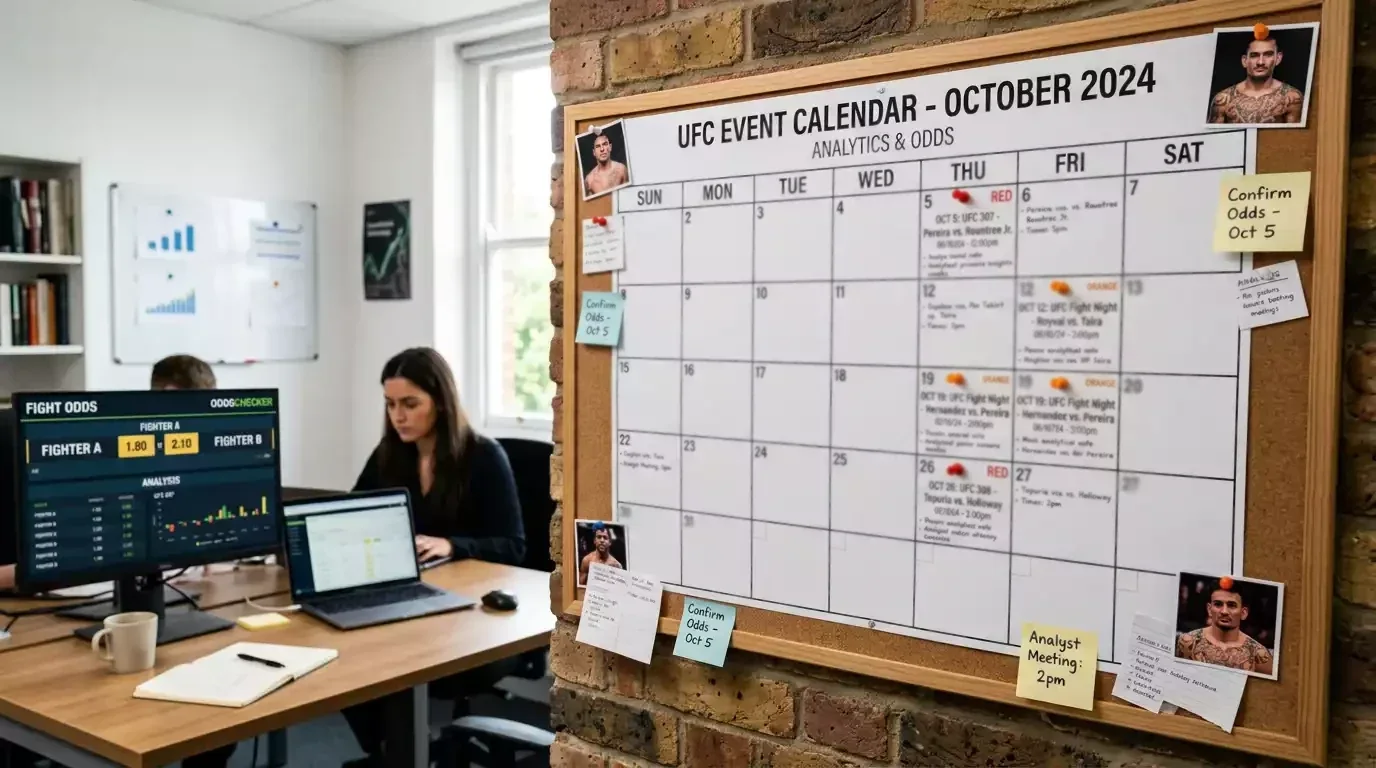
I once missed a futures entry by a single day. A title fight I had been monitoring was announced on a Tuesday, and by Wednesday morning the odds on the leading contender had shortened from 7/2 to 9/4. The 43 events the UFC runs every year do not just create opportunities — they create timing windows that open and close fast. Learning to read the calendar as a betting tool, rather than just a schedule of fights, took me from reactive to proactive in my futures strategy.
How the UFC Structures Its Year-Round Calendar
The UFC does not operate with an off-season. Trip Stoddard, bet365’s head of development, called the UFC’s calendar an “always-on event schedule” where “live action and fan engagement are inseparable.” That description is accurate from a bettor’s perspective too — there is almost never a weekend without a UFC event somewhere in the world, and each event card has the potential to produce a result that shifts championship futures odds.
The 43 events are structured in a hierarchy. At the top sit the major numbered events — UFC 300+, international fight weeks, year-end cards — which typically feature two or three title fights and generate the highest viewership and betting volume. Below those are standard numbered events with one title fight or a high-profile main event. At the base are Fight Night and UFC on ESPN/ABC cards, which rarely feature championship bouts but often include ranked matchups that affect contender positioning and, by extension, futures odds.
Title fights are not distributed evenly across the calendar. The UFC clusters its biggest championship matchups around commercial tentpole events: International Fight Week in late June or early July, the year-end card in December, and major arena events in markets like Las Vegas, New York, and Abu Dhabi. Between these tentpoles, title fights are spaced to maintain viewer interest without oversaturating the schedule. The result is a rhythm: bursts of championship activity around major events, followed by two-to-four-week periods where the ranked fights on smaller cards are setting up the next cycle of title opportunities.
Understanding this rhythm is essential for futures timing. The weeks immediately before and after a major event with title fights are the highest-activity periods for futures odds movement. Before the event, anticipation and public money drive prices toward the favourite. After the event, results either confirm or upend expectations, and the odds board resets across affected divisions. Both windows produce actionable moments for bettors who are prepared.
Calendar-Based Timing Edges for Futures Bets
The edge I find most reliable is what I call the “post-result window.” In 2025, the UFC crowned 12 new champions, and after each title change the futures market for that division went through a predictable sequence: initial shock pricing on the new champion (odds too short), overcorrection on the former champion’s odds (too long if a rematch is likely), and slow adjustment on other contenders as the matchmaking implications became clear. That sequence typically plays out over three to seven days, and the first 48 hours offer the widest mispricings.
The second timing edge sits in the announcement window. When the UFC officially announces a title fight — usually via social media and a press conference — the futures odds on both fighters and their divisional rivals shift immediately. But the announcement itself is often predictable weeks in advance, because the UFC drops hints through fighter callouts, media appearances, and ranked-contender matchups that signal who is next. If you can anticipate the announcement by even a few days, you can enter a futures position before the announcement-driven odds movement compresses the value.
A third edge comes from scheduling gaps. When a division goes quiet — no ranked fights, no title fight announcements, no media activity — futures odds on that division tend to drift. The bookmaker is not actively managing the line because there is no new information to respond to. In those quiet periods, odds can sit at stale levels that no longer reflect the division’s actual competitive landscape. A contender who won a dominant fight three months ago might still be priced at their pre-fight odds because the market has not had a reason to update. These drift periods are opportunities to enter positions at prices that should have already moved.
Seasonal Patterns: Title Fights, PPV Cards, and Odds Fluctuation
After tracking UFC event data for several years, I have noticed seasonal patterns that repeat with enough consistency to be useful.
January through March tends to be the opening window. The UFC books title fights in the first quarter to set the tone for the year and capitalise on the post-holiday sports schedule. Championship results in Q1 often define the futures landscape for the rest of the year, particularly in divisions where the title changed hands in December. The Q1 period is when the biggest divergence between stale year-end odds and updated championship realities creates value.
April through June builds toward International Fight Week. The UFC ramps up its event quality and begins announcing the marquee fights that will anchor the mid-year tentpole. Futures odds across multiple divisions start moving in anticipation of these announcements, and the smart money tends to enter before the official fight week card is finalised. By the time International Fight Week arrives, the odds on announced title fights are usually well-sharpened, and the value has been captured by early movers.
July through September is the post-fight-week recalibration. Results from International Fight Week — often featuring two or three title fights — cascade through the futures market. Some champions solidify their position, others lose their belts, and the entire contender landscape reshuffles. This period produces the highest volume of new futures market openings as bookmakers price fresh championship boards for divisions that just experienced turnover.
October through December closes the year with the biggest commercial push. Year-end cards at UFC 300+ events and major arena shows drive the final round of championship activity. Average UFC PPV buys have dropped from 447,000 in 2018 to an estimated 300,000 in 2025 as the sport transitions to a streaming model, but the year-end events still command the highest viewership and betting volume. Futures bets placed in October on year-end championship outcomes have the shortest settlement window, making Q4 the period where capital efficiency is highest for futures positions. For a strategic framework on how to combine timing with value identification, the futures betting strategy piece covers the full decision-making process.
When in the year are most UFC title fights scheduled?
Title fights cluster around three main periods: January-March for the opening slate of the year, late June-early July around International Fight Week, and November-December for the year-end marquee events. These periods align with the UFC’s commercial tentpole strategy, where championship bouts anchor the highest-profile cards. Between these peaks, title fights are spaced across standard numbered events, but the frequency is lower. The exact distribution varies year to year based on champion availability and matchmaking priorities.
How does a gap in the schedule affect championship futures odds?
When a division has no ranked fights or title activity for an extended period, futures odds tend to drift to stale levels because bookmakers have no new information to respond to. This drift can create value for bettors who have done their own analysis, because a contender who won a decisive fight two months ago might still be priced at odds that do not reflect their improved position. Gaps in activity are effectively windows where the market is underreacting, and informed bettors can take advantage of the lag.
Created by the ”ufc Futures Bets” editorial team.